Common Types of Stone Used and How They’re Restored
People seeking stone restoration often want to restore and preserve various stone surfaces, and local service providers can expertly handle cleaning, repairing, and restoring common types of stone used.
Understanding the common types of stone used in property features and how they’re restored is essential for property owners looking to preserve the beauty and integrity of their investments. Whether it’s a historic façade, a decorative floor, or an outdoor patio, knowing the materials involved can help determine the best approach for maintenance and restoration. Local contractors who specialize in stone restoration have the expertise to identify different stone types and apply tailored techniques to bring out their natural appearance, ensuring longevity and aesthetic appeal.
For property owners in the area, exploring this topic can lead to practical insights on maintaining the value of their homes or commercial spaces. Restoring stone surfaces not only enhances curb appeal but also helps prevent damage caused by weathering or wear over time. Connecting with experienced service providers can make a significant difference in achieving durable, attractive results, making it worthwhile to learn about the common types of stone and how they’re restored. Keep reading to discover how local experts can support your property’s stone preservation needs.
- Marble surfaces - homeowners noticing etching or staining can rely on local contractors to carefully restore their marble with specialized polishing and sealing techniques.
- Granite countertops - when scratches or dullness appear, local service providers can restore the stone’s natural shine through professional grinding and honing methods.
- Limestone flooring - areas showing surface wear or discoloration may be revitalized by local pros experienced in cleaning and gentle restoration processes for limestone.
- Slate features - for chipped or weathered slate surfaces, local contractors can perform targeted repairs and sealing to preserve their appearance.
- Travertine installations - if the stone develops cracks or surface damage, local service providers can restore its natural beauty with appropriate filling and polishing techniques.
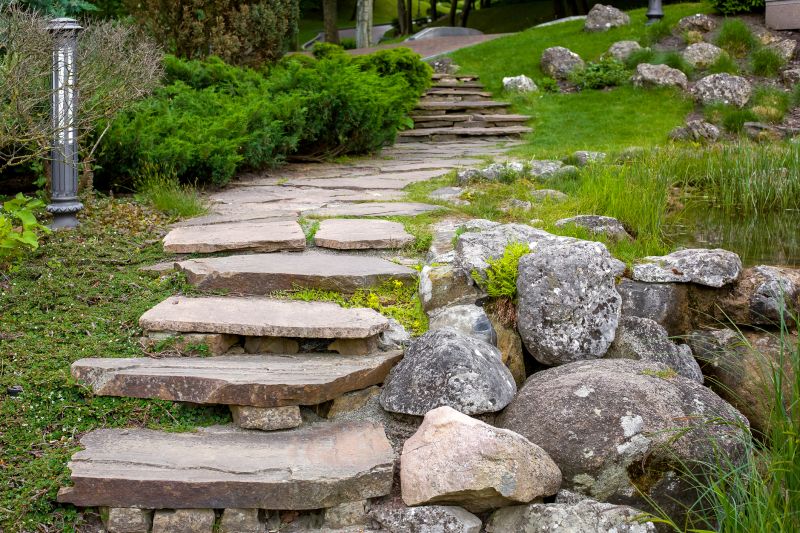
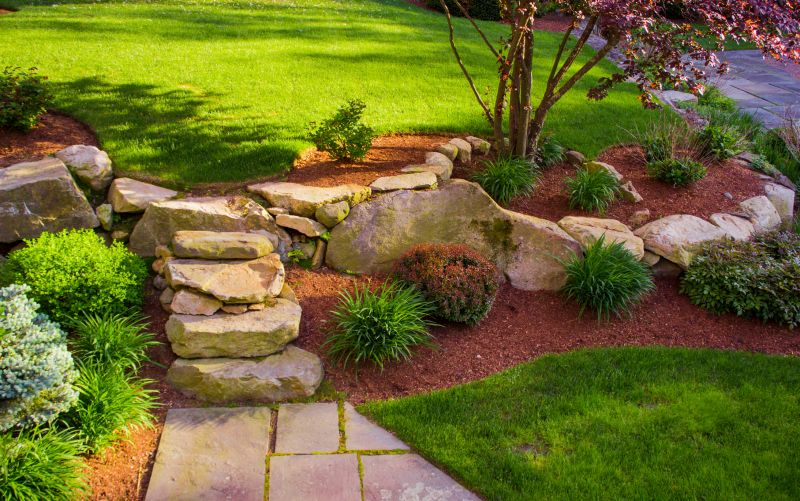
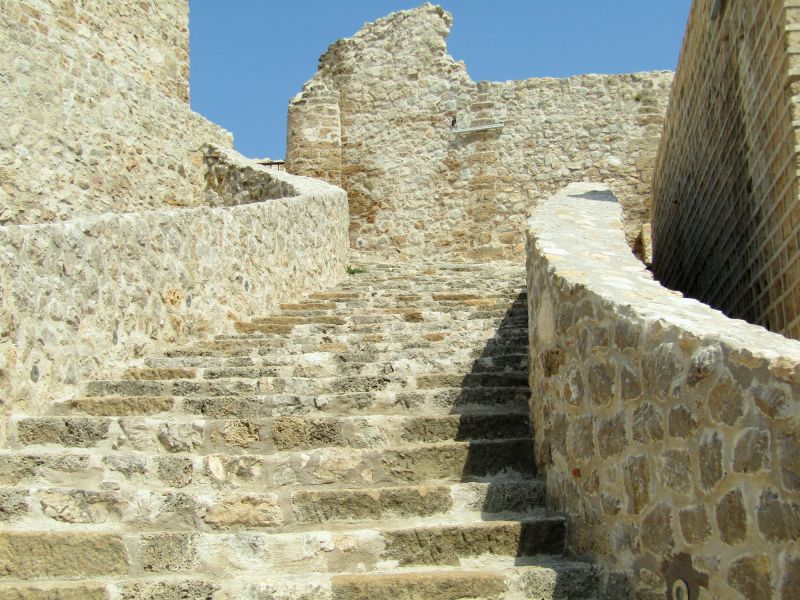
When searching for information about common types of stone used and how they’re restored, homeowners are often looking to understand the materials that make up their property’s surfaces and the best ways to maintain or repair them. This topic is relevant to a wide range of projects, including restoring old or damaged stonework, upgrading outdoor features, or simply preserving the natural beauty of stone elements. People typically encounter this subject when considering repairs for patios, walkways, fireplaces, or historic facades, where the type of stone influences the restoration approach. Understanding the different kinds of stone and their unique characteristics helps homeowners make informed decisions about repairs and maintenance, ensuring the longevity and appearance of their property.
Common types of stone used in residential and commercial properties include granite, limestone, sandstone, marble, and slate. Each material has distinct properties that affect how it ages and responds to environmental factors. For example, granite is a very durable natural stone often used for countertops and outdoor surfaces, while limestone and sandstone are softer and more porous, making them more susceptible to staining and erosion. Marble, prized for its elegance, can be prone to scratching and staining if not properly maintained. Local contractors specializing in stone restoration understand these differences and can recommend appropriate techniques for cleaning, repairing, and restoring each type, ensuring that the work respects the stone’s natural qualities.
Restoring common types of stone involves a variety of techniques tailored to the material and the extent of damage. For porous stones like limestone and sandstone, restoration might include cleaning with gentle, specialized solutions to remove dirt and stains without causing further damage. For more durable stones like granite and slate, repair methods might involve filling cracks or chips, polishing, or sealing to restore their appearance and protect against future harm. The process often begins with a thorough assessment by a skilled service provider, who can determine whether cleaning, resurfacing, or more extensive repairs are needed. These professionals bring the expertise necessary to restore the stone’s natural beauty while preserving its structural integrity, helping to maintain the property’s value and aesthetic appeal.
Choosing the right local contractor for stone restoration ensures that the specific needs of the material are met with appropriate solutions. These specialists understand the nuances of different stones and have experience working with various restoration techniques. Whether it’s restoring an antique limestone façade or resurfacing a granite countertop, local service providers can evaluate the condition of the stone and recommend suitable methods to address issues like staining, erosion, or surface wear. Proper restoration not only improves the appearance of stone features but also extends their lifespan, making it a practical investment for property owners. Connecting with experienced local pros provides access to the expertise needed to handle diverse types of stone and achieve results that respect the original craftsmanship and natural qualities of the material.
Marble polishing projects - local contractors skilled in marble polishing can restore the shine and smoothness of marble surfaces, similar to stone restoration techniques.
Granite countertop refinishing - professionals experienced in granite surface restoration use similar tools and planning methods to repair and restore granite countertops.
Limestone cleaning and sealing - local pros specializing in limestone care apply comparable cleaning and sealing techniques as those used in stone restoration.
Travertine repair and restoration - experts handling travertine surfaces utilize similar planning and restoration skills to those used in common types of stone restoration.
Slate surface restoration - local contractors working on slate surfaces employ comparable skills for cleaning, repairing, and restoring appearance.
Flagstone cleaning and sealing - professionals experienced in flagstone projects use similar tools and planning to those in stone restoration processes.

When comparing local contractors for stone restoration, it is important to consider their experience with similar projects involving common types of stone used and how they’re restored. An experienced service provider will have a proven track record of working with materials such as marble, granite, limestone, or travertine, understanding the specific care and restoration techniques each requires. Asking for examples of past work or references related to stone restoration projects can help gauge their familiarity with these materials and their ability to handle the unique challenges they present.
Clear written expectations are essential when evaluating potential service providers. This includes detailed descriptions of the restoration process, the types of treatments or repairs involved, and what the homeowner can expect in terms of outcomes. A reputable contractor will be transparent about the scope of work and provide documentation or estimates that outline the steps involved. Having this clarity helps ensure that both parties are aligned on the project’s goals and reduces the risk of misunderstandings or surprises later on.
Effective communication and reputable references are key indicators of a reliable local contractor. Service providers who are responsive, willing to answer questions, and provide references from previous clients demonstrate professionalism and accountability. Speaking with past customers about their experiences can reveal insights into the contractor’s reliability, quality of work, and how well they communicate throughout the project. These factors contribute to a smoother restoration process, especially when dealing with delicate materials like stone, where proper handling and clear dialogue are crucial for achieving the best results.
Property owners often search for common types of stone used and how they’re restored when they are planning practical projects around their homes and businesses. Local pros provide Stone Restoration services for everyday jobs and straightforward project options.
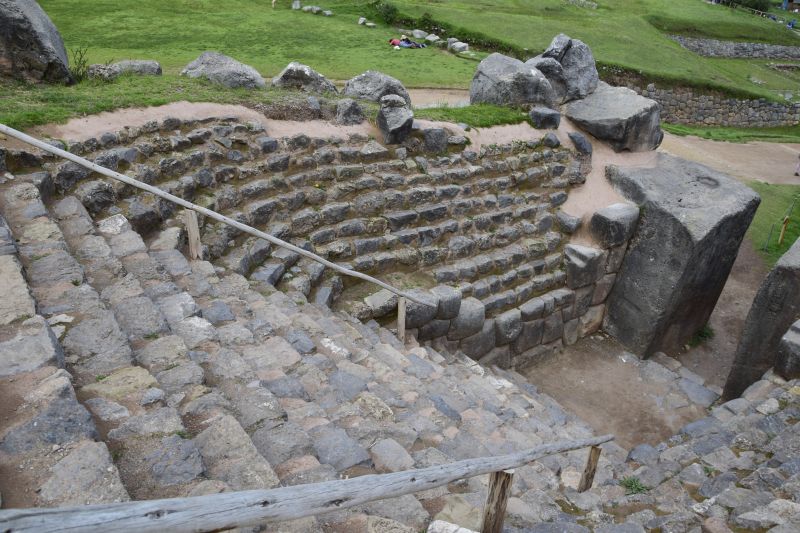
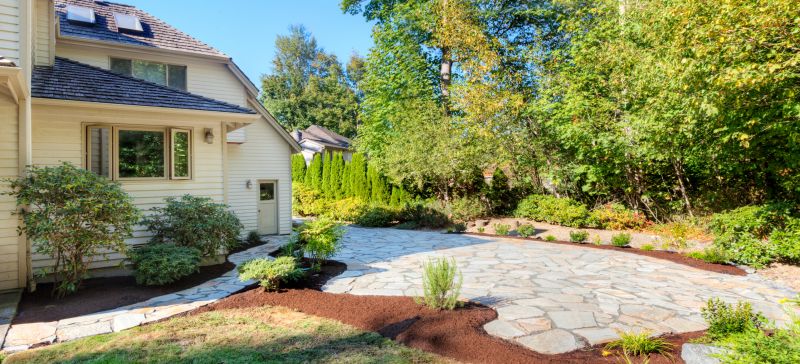
Understanding the common types of stone used in building and landscaping projects helps property owners recognize the importance of proper restoration. For example, natural stones like granite, limestone, and sandstone are popular choices for patios, walkways, and facades due to their durability and aesthetic appeal. Over time, these stones can become stained, chipped, or weathered, affecting their appearance and integrity. Property owners often seek out local contractors who specialize in stone restoration services to help bring their surfaces back to life, ensuring they maintain their original beauty and function.
When considering how stones are restored, many turn to local service providers experienced in various repair techniques. Restoration methods may include cleaning, sealing, polishing, or repairing damaged areas, depending on the type of stone and its condition. These professionals understand the specific needs of different stones and can recommend appropriate solutions to address issues like surface etching, cracks, or discoloration. Connecting with local contractors who offer stone restoration services can help property owners protect their investment and preserve the timeless appeal of their stone features.
What are some common types of stone used in homes and buildings? Common types of stone used include marble, granite, limestone, sandstone, and slate. Local contractors specializing in stone restoration can identify the specific material and recommend appropriate restoration methods.
How do professionals restore marble surfaces? Restoration of marble typically involves cleaning, polishing, and repairing surface scratches or stains. Local stone restoration experts use specialized techniques to bring back the marble’s original appearance.
What methods are used to restore granite countertops? Granite restoration often includes deep cleaning, honing, and sealing to remove stains and restore shine. Skilled service providers can assess the condition and perform the necessary treatments.
Can limestone and sandstone be restored effectively? Yes, limestone and sandstone can be restored through cleaning, surface repairs, and sealing. Local pros have the experience to handle these softer stones carefully to prevent damage.
What are common restoration techniques for slate and other natural stones? Restoration for slate and similar stones involves cleaning, crack repair, and sealing to improve durability and appearance. Service providers tailor their approach based on the specific stone type and condition.
Granite restoration techniques help property owners revive the natural shine and durability of granite surfaces in kitchens and bathrooms by removing stains and scratches with the help of local contractors.
Marble repair methods enable homeowners to address etching and discoloration on marble floors or countertops through professional polishing and sealing services offered by nearby specialists.
Slate and flagstone renewal techniques assist in revitalizing outdoor walkways and patios, with local contractors applying cleaning and sealing solutions to maintain their natural appearance and prevent damage.
If you are thinking about common types of stone used and how they’re restored for a property, this guide is meant to help you understand this topic, the typical project types, and how different options might fit your plans.
When you are ready, you can use the quote form on this page to share a few details about your project. From there, local pros can review the basics and follow up with options that match what you have in mind.